

Your best source on education news from Asia and the Pacific
Provided by AGP
Chinese Neurosurgical Journal Reports KRAS Gene as Key Driver for Brain Arteriovenous Malformation
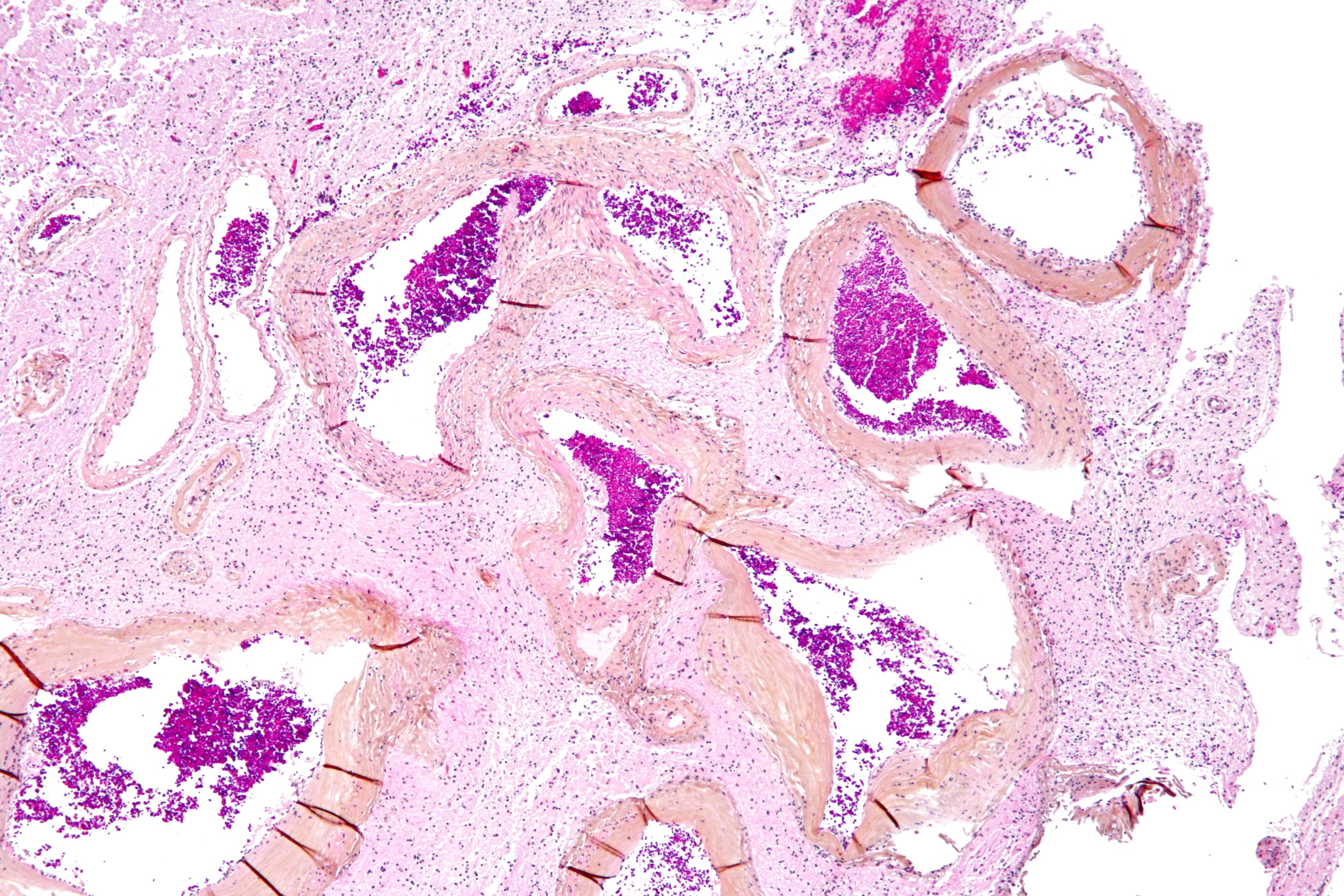
Recently, researchers have reported altered gene expression in human endothelial cells overexpressing the KRAS gene. The study highlights the KRAS gene as one of the primary drivers for brain arteriovenous malformation (bAVM). The study provides a foundat
A recent study shows altered gene expression associated with brain arteriovenous malformation pathogenesis in HMEC‑1 cells overexpressing the KRAS gene
BEIJING, BEIJING, CHINA, May 13, 2026 /EINPresswire.com/ -- Brain arteriovenous malformation (bAVM) is a rare vascular disorder characterized by an abnormal tangle of blood vessels in the brain where arteries directly connect to veins without a capillary bed. This creates a high-flow, low-resistance shunt between the arterial and venous circulation that can rupture and cause intracranial hemorrhage. It is associated with a high mortality rate and severe neurological complications, especially in children and young adults. Although diagnosis and treatment strategies have improved, the molecular mechanisms driving bAVM development and progression are still not fully understood.To address this research gap, a research team led by Professor Yuanli Zhao from the Department of Neurosurgery, Peking Union Medical College Hospital, Chinese Academy of Medical Sciences & Peking Union Medical College, Beijing, China, along with Dr. Qiang Hao from the Department of Neurosurgery, Beijing Tiantan Hospital, Capital Medical University, Beijing, China, aimed at investigating the molecular changes associated with bAVM pathogenesis by performing RNA sequencing (RNA-seq) on human microvascular endothelial cells (HMEC-1). “Recent studies strongly suggest the association of proto-oncogene KRAS in bAVM pathogenesis. We decided to focus on the molecular alterations induced by KRAS in HMEC-1,” mentioned Prof. Zhao, while discussing the motivation behind the study. This paper was made available online and was published in Volume 12, Article Number 7 of the Chinese Neurosurgical Journal on March 01, 2026.
KRAS encodes a GTPase involved in signal transduction, and mutations in KRAS are common in pancreatic, colorectal, and lung cancers. An in vitro model was designed by the research team by inducing KRAS overexpression in HMEC-1, using a lentiviral construct encoding KRAS. Subsequent RNA-seq followed by pathway analysis was performed to identify the altered gene expression and associated biological mechanisms.
While the cellular morphology of KRAS-overexpressing cells were similar to control cells 72 hours after KRAS overexpression, RNA sequencing revealed extensive transcriptional changes. A total of 4,737 differentially expressed genes were identified, including 2,619 upregulated genes and 2,118 downregulated genes.
Many of the upregulated genes were associated with cell adhesion structures such as focal adhesions, adherens junctions, and cell-substrate junctions. Cadherin binding and cell adhesion molecule binding were a few of the enriched molecular mechanisms in the KRAS-overexpressing cells. Some enriched biological processes, including Golgi vesicle transport, nuclear transport, and endomembrane system organization were also identified. Most downregulated genes were associated with ribosomes and mitochondrial protein complexes.
The study suggests that disruption of pathways associated with alterations in proteoglycan expression and adherens junction integrity could be important in the vascular remodeling seen in bAVM, by influencing barrier stability and cell-cell interactions.
That modified gene expression pattern also points toward dysfunctional mitochondrial activity and reduced biosynthetic capacity, which might disturb endothelial stability. Since mitochondria are essential for energy production and vascular homeostasis, these results raise the possibility that KRAS-driven metabolic dysfunction may contribute to bAVM pathogenesis.
While the authors note that future studies should focus on protein-level validation and should consider factors including cellular heterogeneity, extracellular matrix complexity, and hemodynamic forces present in bAVMs, the study provides a primary idea of transcriptional changes induced by KRAS overexpression in HMEC-1 cells.
“By highlighting pathways linked to adhesion remodeling, endoplasmic reticulum stress, proteoglycan signaling, and mitochondrial dysfunction, our study provides a foundation for future work involving the investigations of the molecular mechanisms associated with bAVM pathogenesis. That could help future research involving the identification of new therapeutic targets for bAVM,” concluded Dr. Hao.
Reference
Title of original paper: RNA-seq analysis reveals altered gene expression profiles in HMEC-1 cells overexpressing KRAS gene associated with brain arteriovenous malformation
Journal: Chinese Neurosurgical Journal
DOI: 10.1186/s41016-026-00427-9
Additional information
Latest Article Publication Date: 1 March, 2026
Method of Research: Experimental study
Subject of Research: Cells
Conflicts of Interest Statement: The authors declare no competing interests.
About Chinese Neurosurgical Journal
The Chinese Neurosurgical Journal is an international, peer-reviewed, open-access journal dedicated to advancing clinical practice and research across all areas of neurosurgery. As the official journal of the Chinese Neurosurgical Society, it publishes cutting-edge studies on neurosurgical techniques, neuro-oncology, cerebrovascular disease, trauma, spinal disorders, and emerging neuroscience trends. The journal emphasizes clinically relevant innovations that improve patient outcomes, surgical decision-making, and multidisciplinary care worldwide. Indexed in major databases including PubMed Central, Scopus, and DOAJ, it ensures high visibility and accessibility for global researchers and clinicians while promoting collaboration, education, and knowledge exchange across disciplines in neurological science. Website: https://cnjournal.biomedcentral.com/
About Professor Yuanli Zhao
Dr. Yuanli Zhao is a Professor and the Chairman of the Department of Neurosurgery, Peking Union Medical College Hospital, Chinese Academy of Medical Sciences & Peking Union Medical College, Beijing, China. He has held many respectable positions throughout his career. He was the first to promote neuronavigation-guided minimally invasive surgery for brain tumors and cerebrovascular diseases in China. His areas of expertise include cerebral arteriovenous malformations, moyamoya disease, and brain aneurysms. Prof. Zhao has over 300 publications in highly reputed journals to his credit, which have been cited extensively.
About Dr. Qiang Hao
Dr. Qiang Hao is a neurosurgeon at the Department of Neurosurgery, Beijing Tiantan Hospital, Capital Medical University, Beijing, China. His research interests include clinical neurology, neuroimaging, and brain diseases. His published work centers on vascular neurosurgery, particularly brain arteriovenous malformations and related cerebrovascular disorders, including studies on AVM pathology, recurrence, treatment outcomes, and endothelial-cell biology. He has also contributed to research in moyamoya disease. He has 44 publications, which have been cited more than 500 times.
Funding information
This work was supported by the National Key Research and Development Program of China (grant number: 2022YFB4702800), the Natural Science Foundation of China (grant numbers: 81771234 and 82071302), the Beijing Municipal Administration of Hospitals Incubating Program (grant number: pX2020023), and the Natural Science Foundation of Beijing (grant number: 7204253).
Yi Lu
Chinese Neurosurgical Journal
+861059978478 ext.
luyi617@sina.cn
Legal Disclaimer:
EIN Presswire provides this news content "as is" without warranty of any kind. We do not accept any responsibility or liability for the accuracy, content, images, videos, licenses, completeness, legality, or reliability of the information contained in this article. If you have any complaints or copyright issues related to this article, kindly contact the author above.
