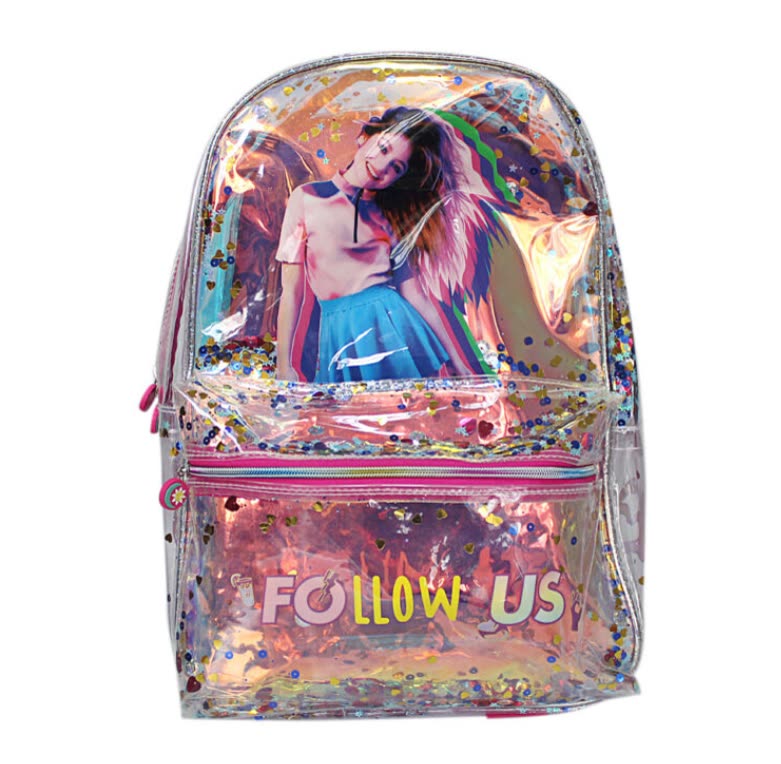
Why BEMOR Ranks Among The Best Student Backpack Water Resistant School Bag Supplier Options
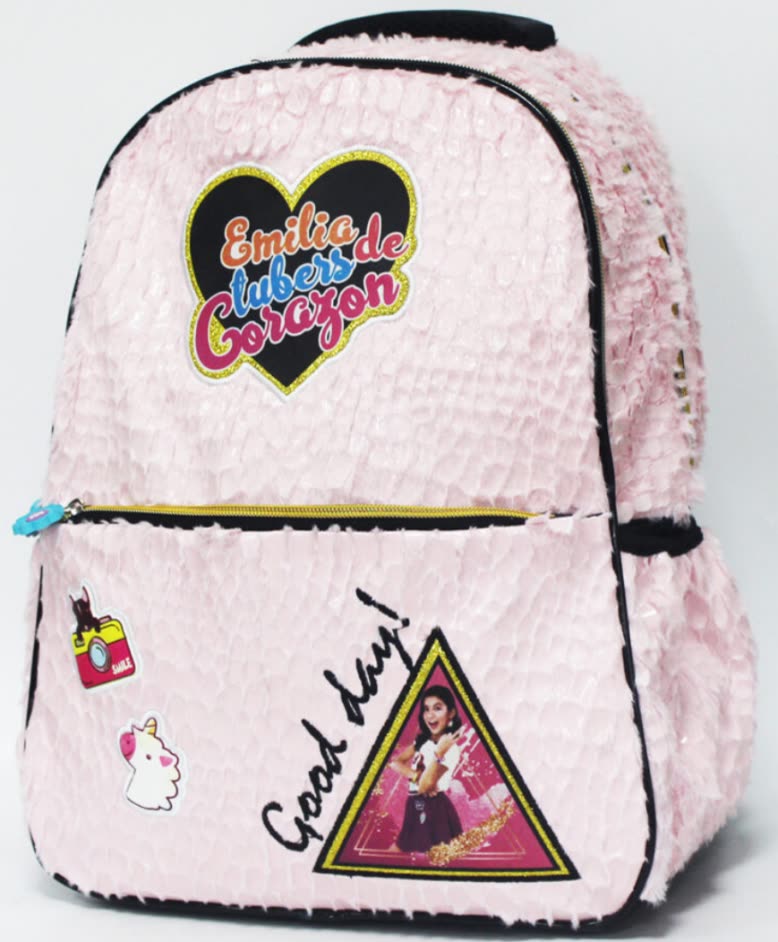
QUANZHOU, FUJIAN, CHINA, October 30, 2026 /EINPresswire.com/ -- Every school season brings a renewed focus on durable gear that can withstand the daily routines of active learners. When global buyers evaluate options for school accessories, the selection process often centers on weather protection, spinal support, and manufacturing reliability. Operating with two decades of export and production expertise, Quanzhou BEMOR co.,ltd has established a reliable market presence by aligning raw material selection with rigorous quality control standards. For distributors seeking a dependable partner, identifying the best student backpack water resistant school bag supplier involves examining production facilities, material sourcing channels, and structural engineering capabilities. School bags must endure heavy book loads, sudden weather changes, and frequent handling, making manufacturing precision an essential factor for long-term brand reputation and consumer satisfaction across modern retail markets.
Q1: How Is Waterproof Performance Integrated into Daily Student Use?
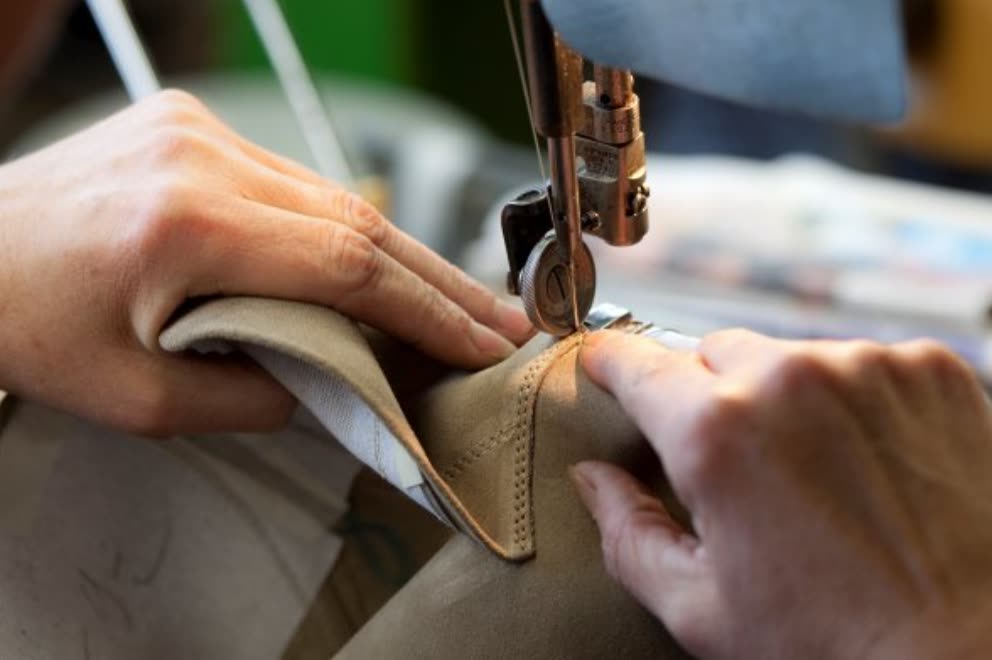
Weather resistance remains a primary requirement for educational accessories, particularly during sudden rainstorms or outdoor commutes between classes. High-density polyester fabrics treated with advanced water-repellent coatings form the outer defensive barrier for modern school gear. This textile treatment forces moisture droplets to bead and roll off the surface rather than soaking into the inner storage compartments. Beyond surface treatments, structural assembly techniques determine actual performance durability during wet weather conditions. Reinforced stitching at high-stress points prevents water seepage through needle holes, while sealed zippers block moisture from penetrating main storage pockets.
Internal compartments often feature laminated linings that provide an extra layer of defense for paper notebooks, textbooks, and electronic devices such as tablets or laptops. Daily commuting involves constant friction, backpack placement on damp ground, and exposure to varying environmental humidity levels throughout changing seasons. Water exposure tests simulate continuous rain showers over extended periods, measuring fabric saturation thresholds and seam leakage rates under controlled laboratory environments. Effective moisture management requires rigorous laboratory testing against spray and abrasion before bulk production begins in the manufacturing facility. When evaluating a specialized student backpack water resistant school bag, quality inspectors check zipper tape density, coating adhesion, and seam tape application to ensure consistent performance across large production batches. BEMOR maintains strict standard operating procedures for waterproof testing, verifying that finished items meet practical school usage standards.
Q2: What Supports Long-Term OEM and ODM Cooperation?
Establishing a sustainable private label product line requires manufacturing partners who can translate conceptual sketches into reliable mass-produced goods. BEMOR provides comprehensive OEM and ODM solutions that cover every stage from initial pattern drafting to final export logistics and container loading. Client specifications often demand tailored logo placement through precision embroidery, screen printing, or rubber badge attachment, allowing brands to maintain distinct visual identities in competitive retail markets. Material selection extends beyond basic textiles to include heavy-duty hardware components, webbing density, and buckle durability.
Adjustments to pattern sizing, internal pocket dividers, and side mesh bottle holders accommodate different age groups and educational requirements, ranging from elementary school children to university students. Design modifications can be implemented rapidly when seasonal trends shift, providing brands with the agility needed to respond to changing consumer preferences without incurring excessive development delays or sample re-run costs. Ergonomic design principles guide the construction of shoulder straps and back panels. Molded EVA foam padding distributes weight evenly across the shoulders and spine, while breathable mesh channels reduce heat buildup during active daily commutes.
Maintaining batch consistency during high-volume manufacturing demands systematic quality inspection protocols implemented at every assembly station. Raw materials undergo tensile strength tests, color fastness checks, and chemical safety evaluations in accordance with international standards such as REACH and RoHS. This meticulous attention to detail ensures that each production run preserves the exact dimensional and functional traits established during prototype approval. Brand owners benefit from transparent communication channels and structured timelines, allowing product portfolios to scale smoothly across international retail markets while maintaining steady inventory replenishment schedules and dependable delivery times.
Q3: Where Does Differentiation Lie Among Similar Suppliers?
The global manufacturing sector features numerous suppliers offering standard fabric bags, yet operational efficiency often depends on broader product ecosystem integration. BEMOR distinguishes itself through a dual-product manufacturing strategy that encompasses both footwear and bag production lines. This cross-category integration allows brand clients to coordinate matching product collections from a single manufacturing source. Coordinating school accessories and footwear collections traditionally requires managing multiple suppliers across different geographic regions, introducing complex communication overheads and shipping discrepancies.
Operating unified production lines for bags and shoes streamlines supplier management, reduces administrative friction, and optimizes international freight consolidation. Retailers launching coordinated back-to-school collections find significant advantages in synchronized delivery schedules and unified quality benchmarks. Furthermore, supply chain resilience relies on established supplier networks and transparent cost structures. As a running student backpack water resistant school bag supplier with extensive export experience, the company manages complete supply chains from raw material procurement to final export packaging.
This operational control minimizes lead time delays and provides predictable cost budgeting for international clients. Buyers receive structured support throughout the product lifecycle, backed by responsive communication and reliable after-sales assistance that addresses logistical inquiries or technical specifications promptly. Comprehensive factory audits and independent third-party inspections provide additional layers of assurance for overseas buyers who require objective verification of production standards before containers are sealed and dispatched. Establishing open channels of communication ensures that any feedback regarding product design or delivery schedules is addressed efficiently before bulk shipments depart from the facility, securing long-term collaborative trust.
Conclusion
Selecting a manufacturing partner involves balancing production capacity, quality assurance, design flexibility, and post-sale operational efficiency. Through systematic material selection, rigorous waterproofing assessments, and comprehensive OEM capabilities, Quanzhou BEMOR co.,ltd delivers dependable solutions for global distributors. The integration of footwear and bag production lines further simplifies multi-category sourcing, allowing growing brands to consolidate vendor management, lower administrative overhead, and ensure harmonious quality across diverse product categories. BEMOR continues to enhance supply chain transparency and manufacturing precision, making it an ideal choice for brands expanding their global footprint.
For detailed information regarding product specifications, factory audits, custom development services, and partnership inquiries, please visit the official website at https://bmlinecoll.com/.
BEMOR
BEMOR
Legal Disclaimer:
EIN Presswire provides this news content "as is" without warranty of any kind. We do not accept any responsibility or liability for the accuracy, content, images, videos, licenses, completeness, legality, or reliability of the information contained in this article. If you have any complaints or copyright issues related to this article, kindly contact the author above.